AI Agents & Automation
Build intelligent automation with Model Context Protocol, agentic systems, and production-grade AI integrations.
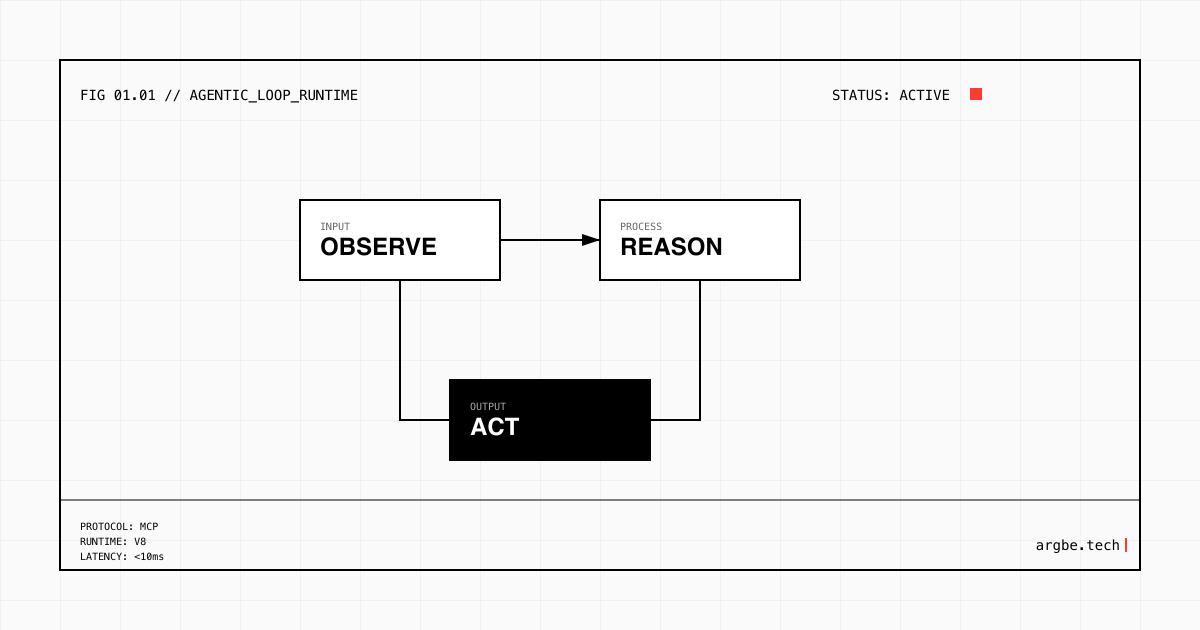
// SUB-PROCESSES & SPECIFICATIONS
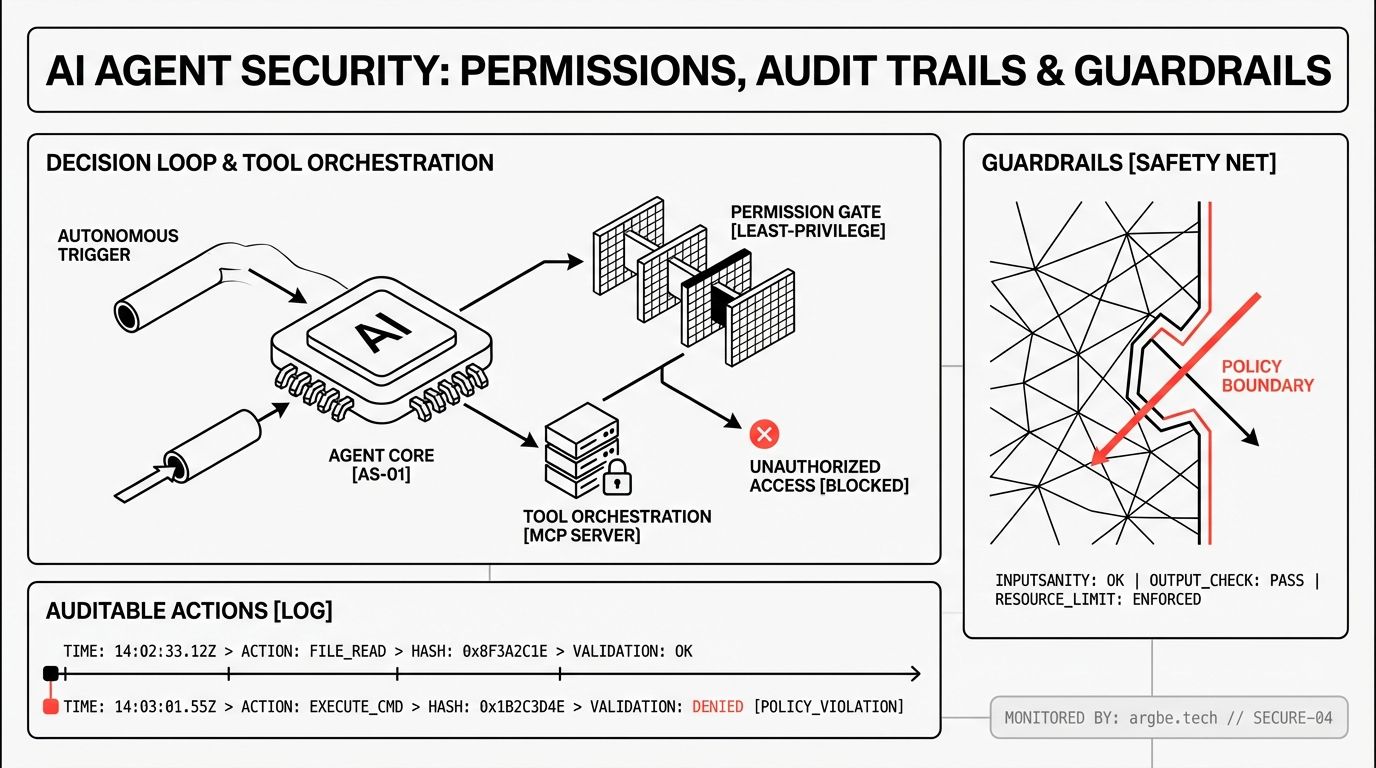
AI Agent Security: Permissions, Audit Trails & Guardrails
AI agent security is the discipline of constraining what an autonomous system can do, proving what it did, and preventing it from doing the wrong thing at the wrong time. This guide breaks down permissions, audit trails, and guardrails you can ship with confidence.
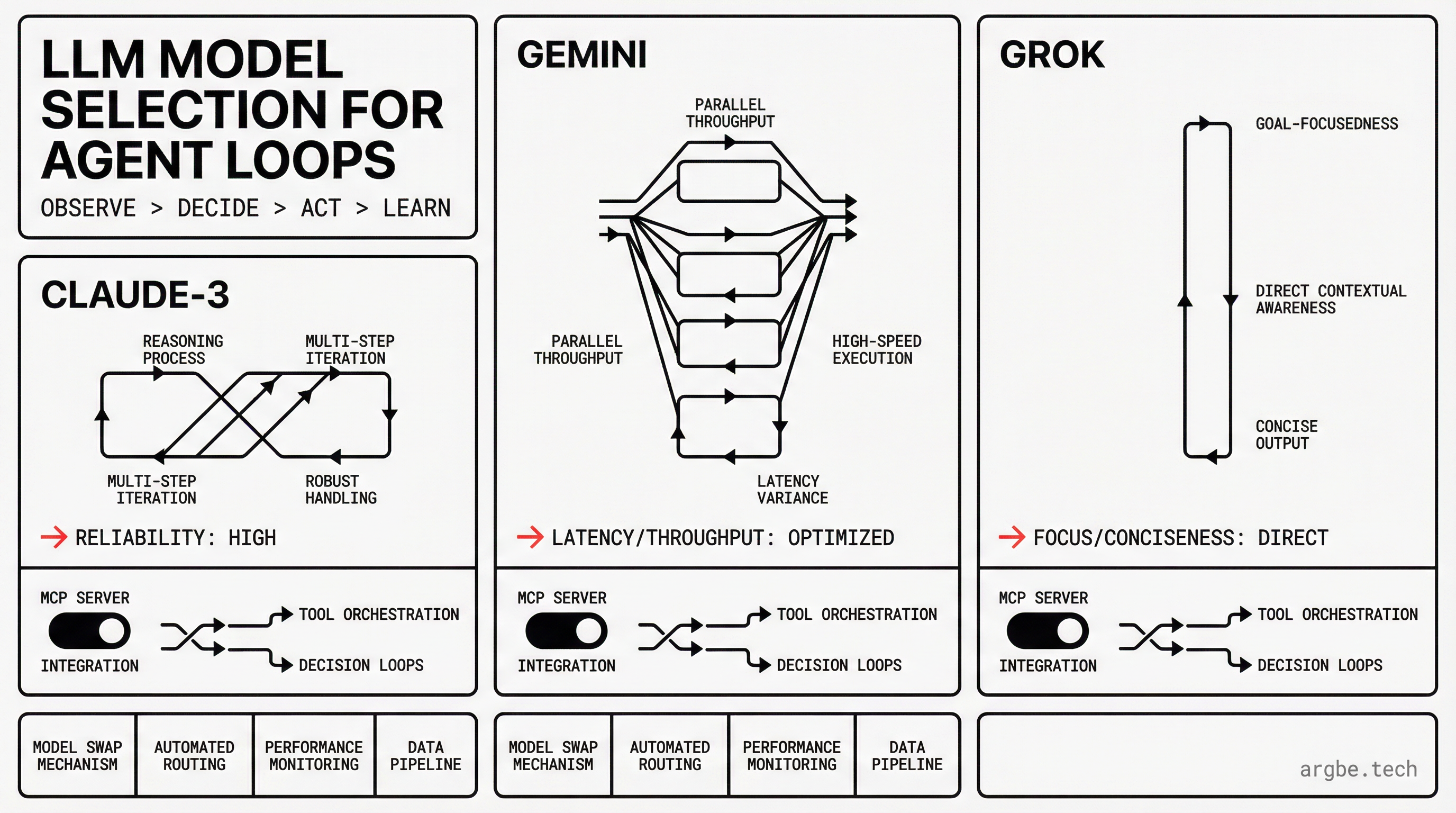
Claude vs Gemini vs Grok: Choosing the Right LLM for Agents
Claude vs Gemini vs Grok is a practical model-selection question for teams building tool-connected AI agents. We compare how each model tends to behave in agent loops, then anchor the decision with a table you can reuse in reviews.
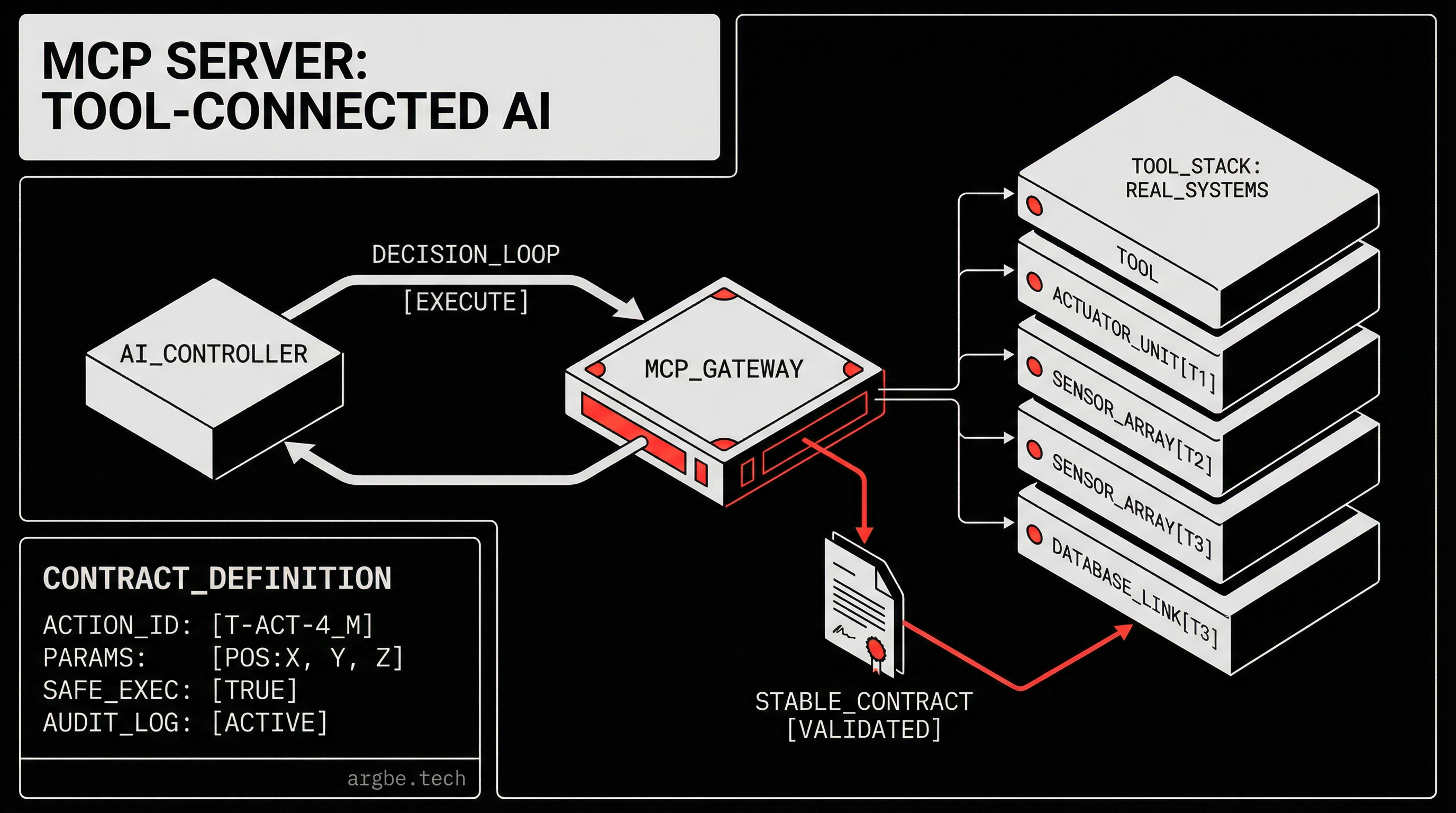
Model Context Protocol (MCP) Server Guide: Build Tool-Connected AI
An MCP server is a small integration layer that lets AI models call real tools—safely, consistently, and with clear boundaries. This guide explains what MCP servers do, where they fit in an agent stack, and the implementation checklist we use to ship them without surprises.
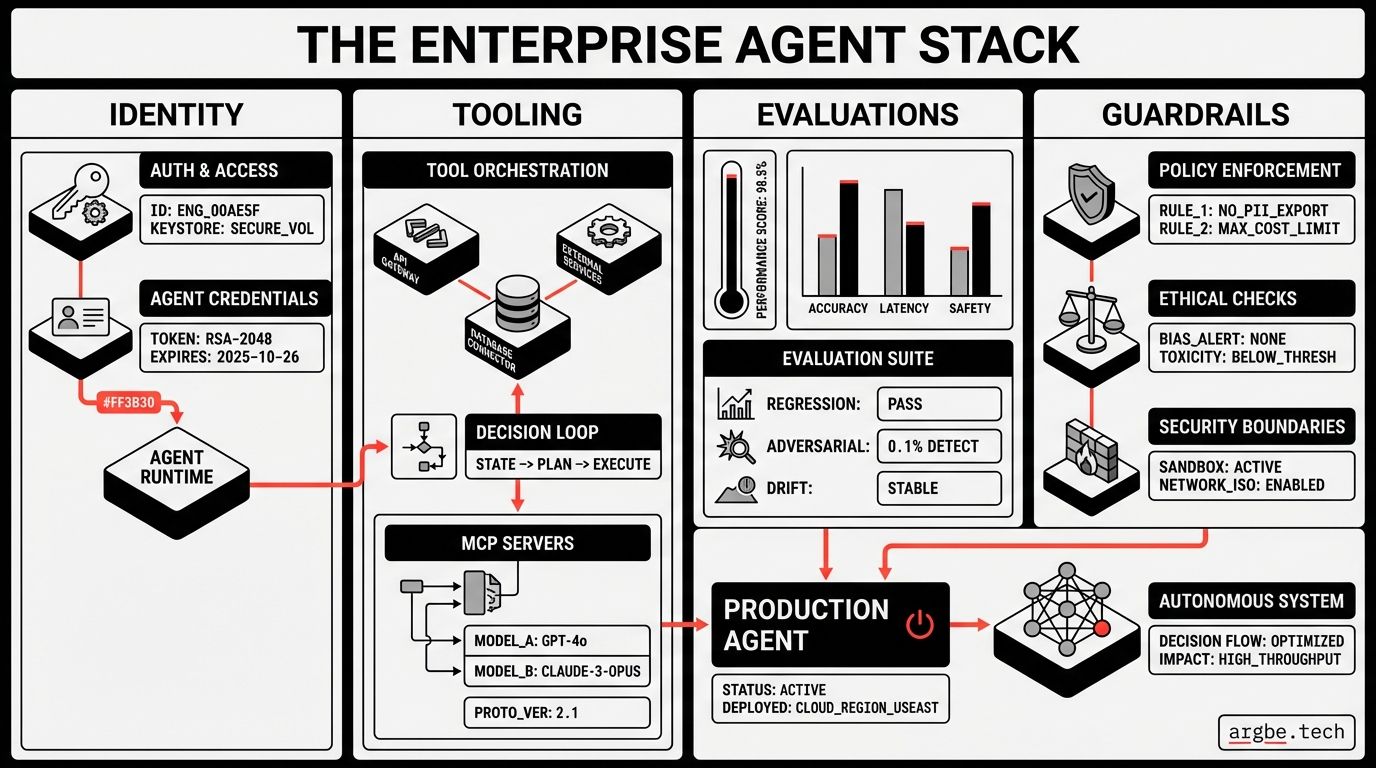
The Enterprise Agent Stack: Identity, Tooling, Evaluations, and Guardrails for Production AI Agents
A production AI agent stack is the set of identity, tool, evaluation, and guardrail layers that turns an LLM-driven agent into a system you can run, monitor, and trust. This guide explains the components that matter in enterprise environments and how to choose between common implementation approaches.