intelligent-platforms
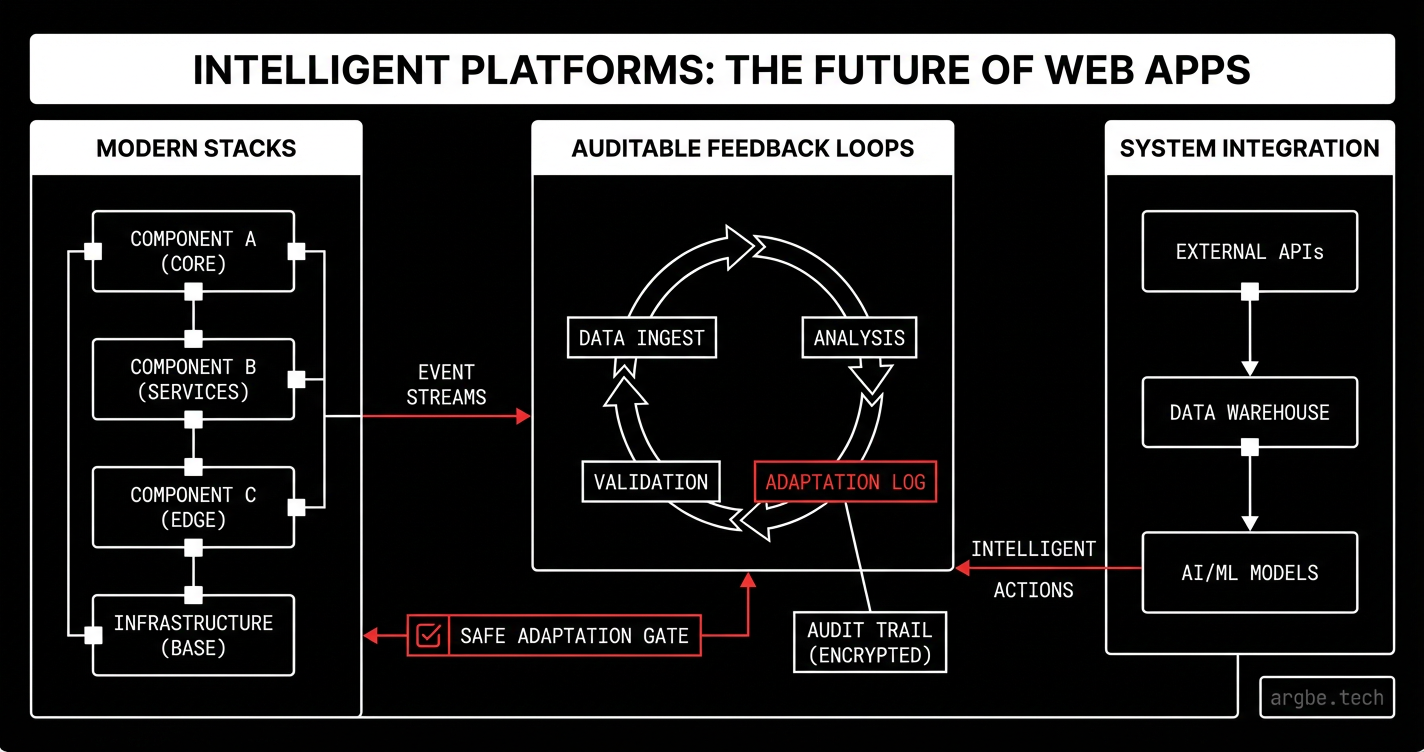
// SUB-PROCESSES & SPECIFICATIONS
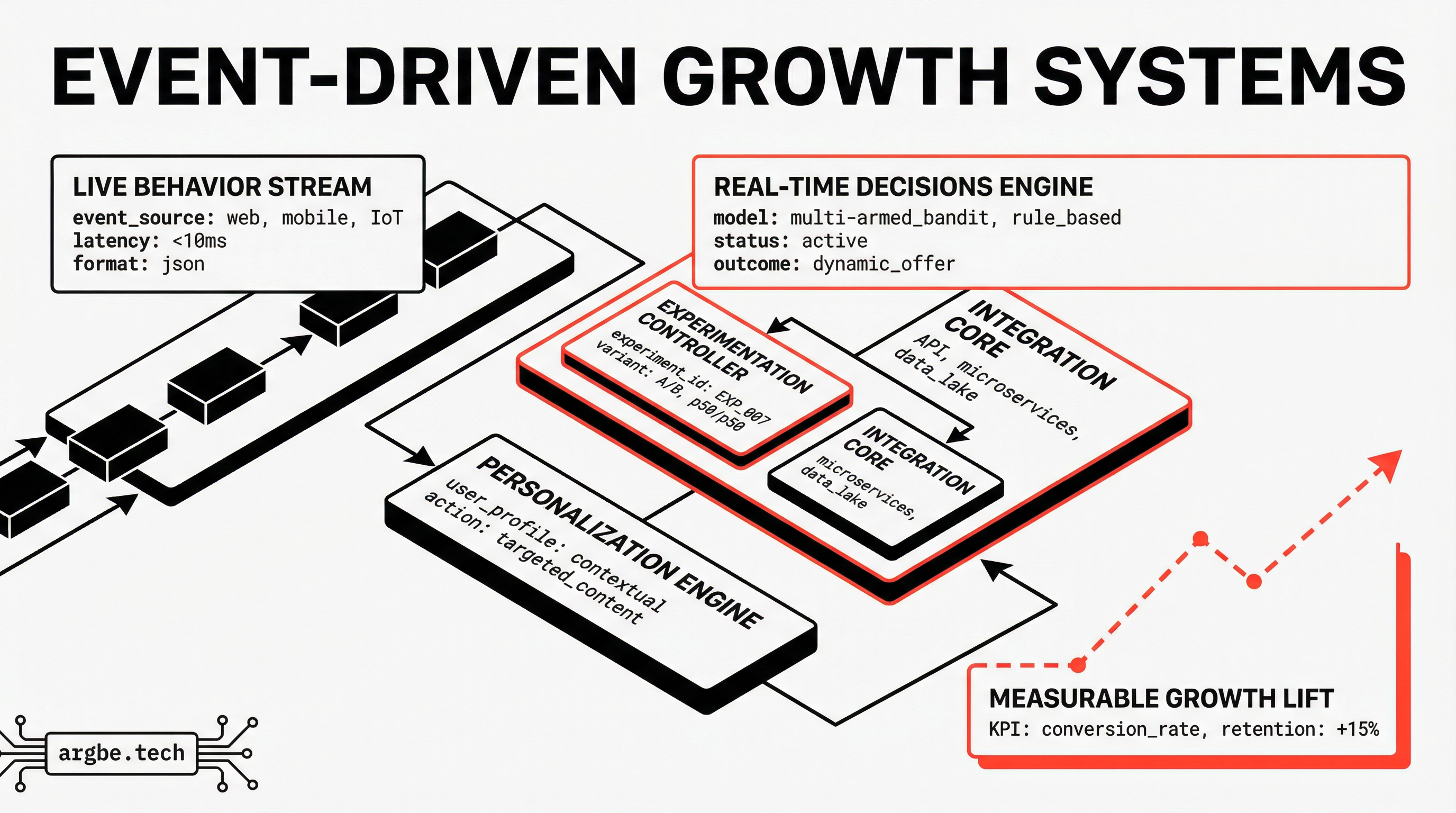
Event-Driven Growth Systems: Real-Time Personalization and Experimentation for Intelligent Platforms
An event driven personalization platform ties real-time behavioral signals to decision logic and experimentation controls, so growth teams can ship personalized experiences with measurable lift—without waiting on batch analytics or manual releases.
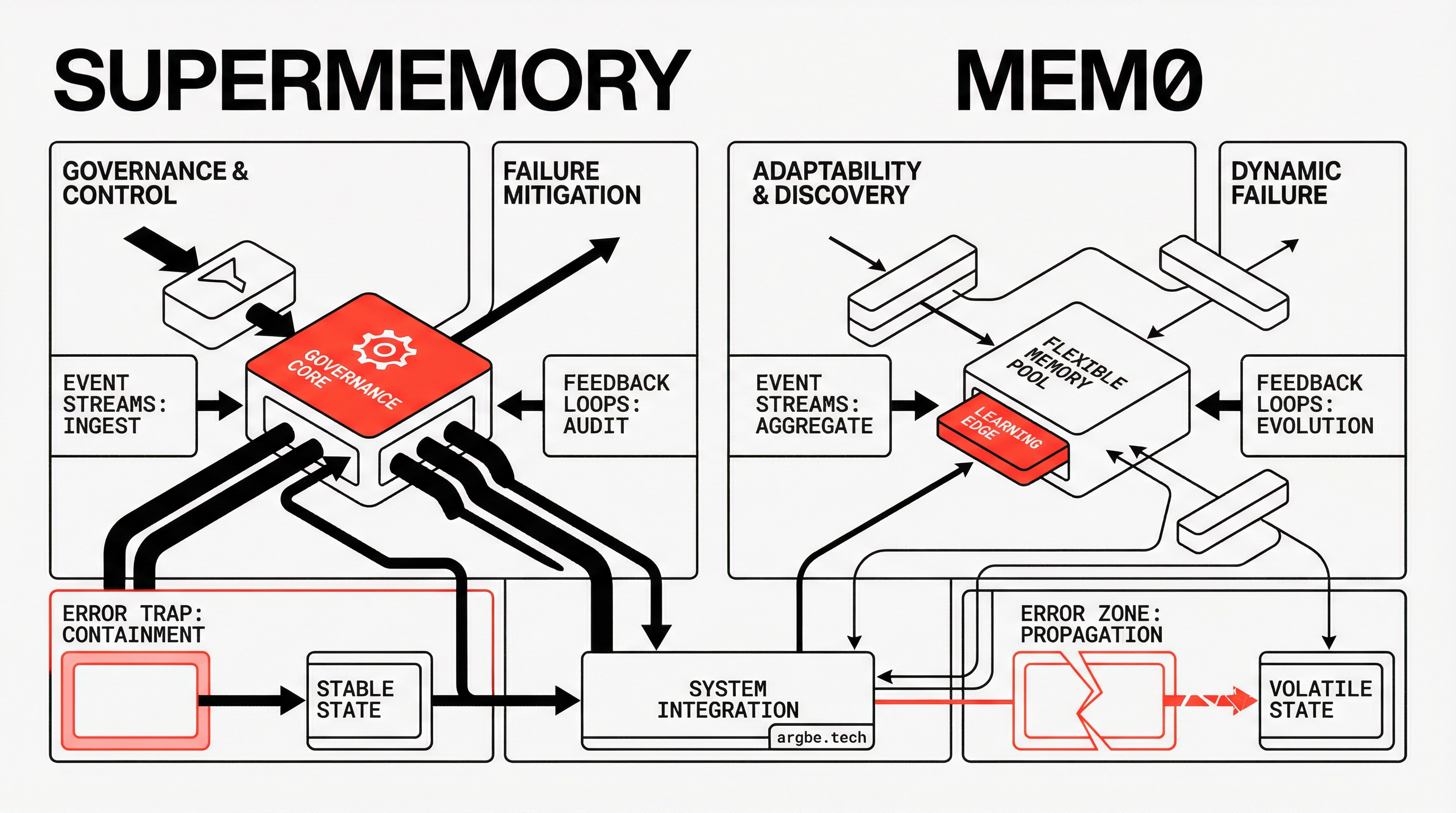
Building with Supermemory Vs Mem0
A practical introduction to Supermemory and Mem0 as long-term memory layers for intelligent platforms, with guidance on what each optimizes for and what to validate before committing.
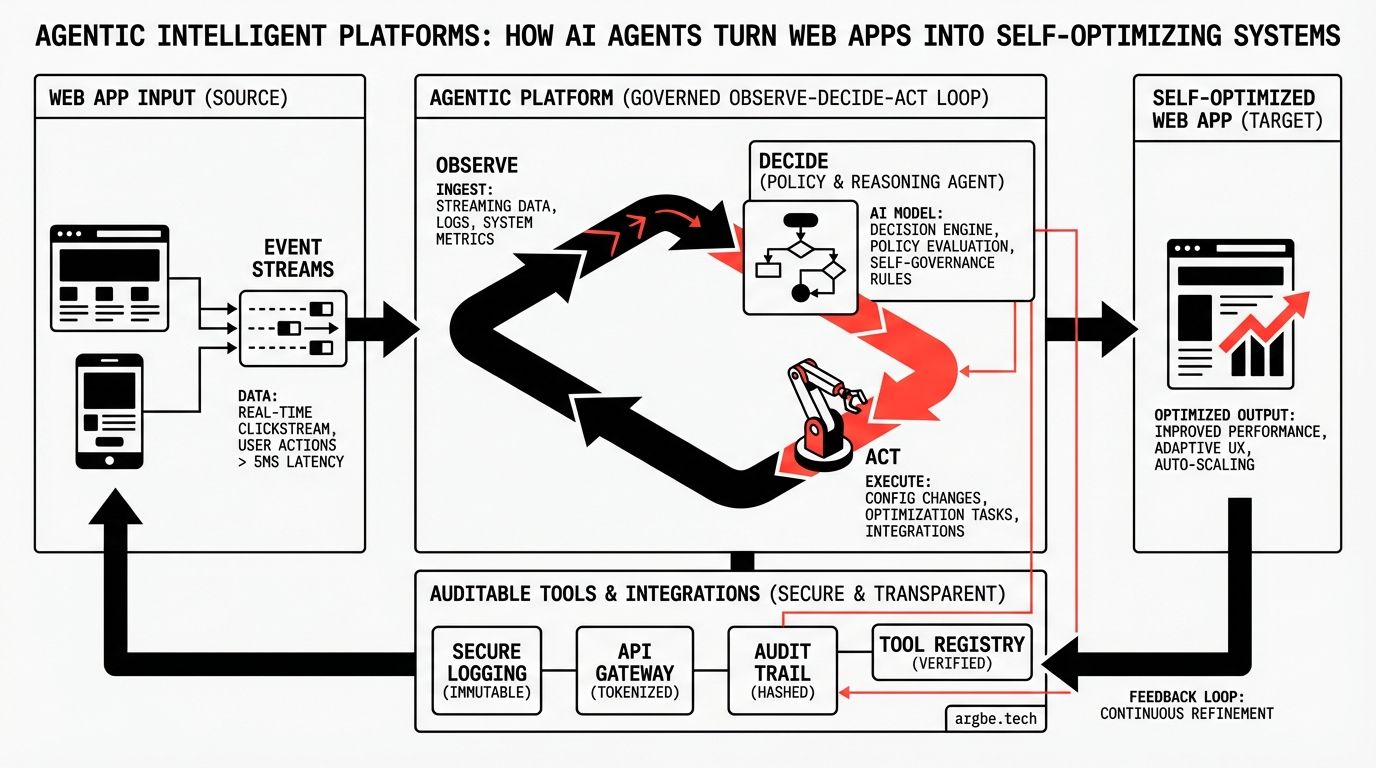
Agentic Intelligent Platforms: How AI Agents Turn Web Apps Into Self-Optimizing Systems (2026 Architecture Guide)
Agentic intelligent platforms pair a modern web stack with governed AI agents that can observe production signals, propose changes, and execute safe actions through audited tools. Done right, they reduce operational drag without turning your product into a black box.
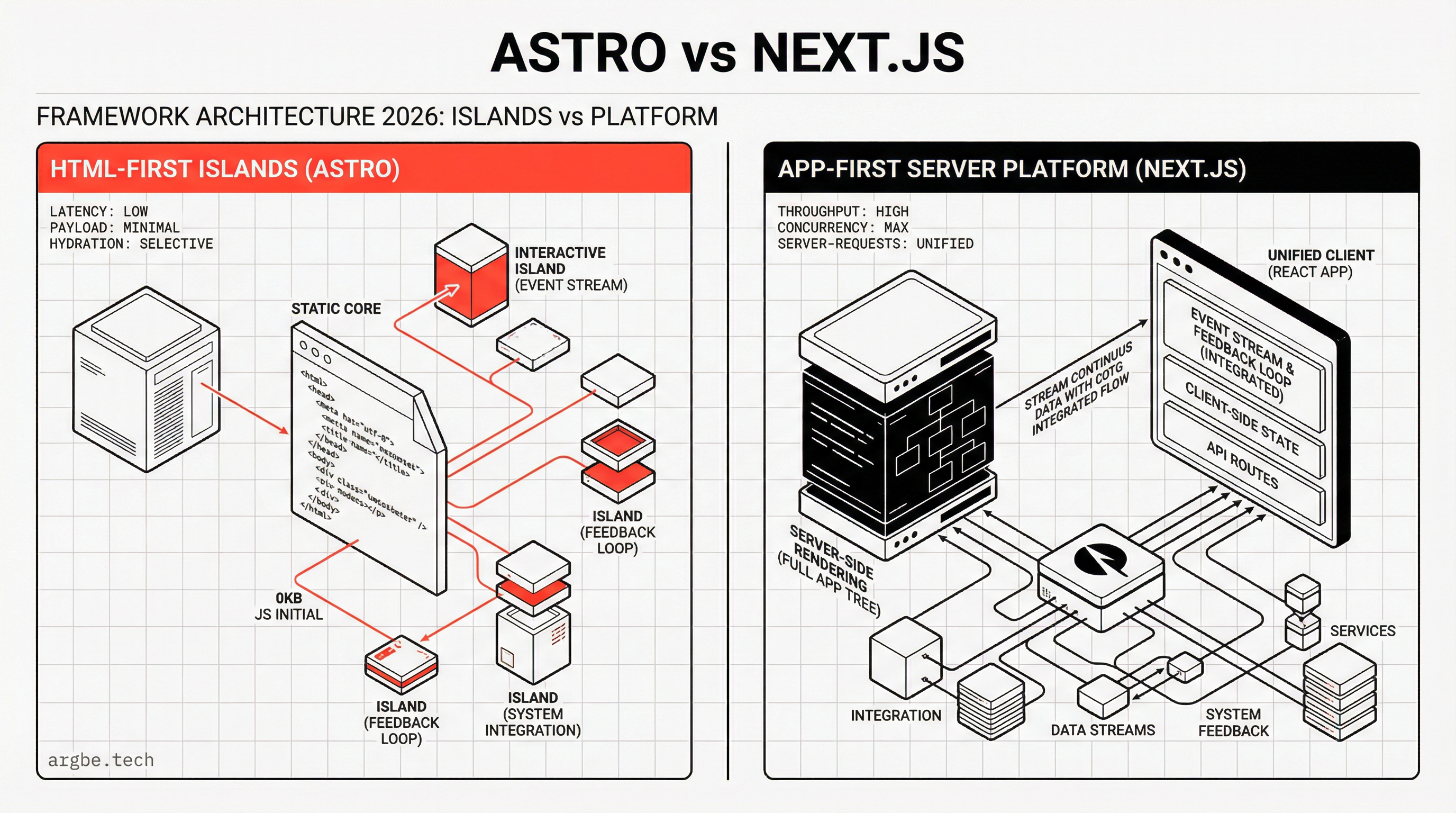
Astro vs Next.js: Choosing the Right Framework in 2026
Astro and Next.js can both ship fast sites in 2026, but they optimize for different failure modes: Astro for minimal JavaScript and composable UI islands, Next.js for a full React application platform with deep server rendering and data capabilities.
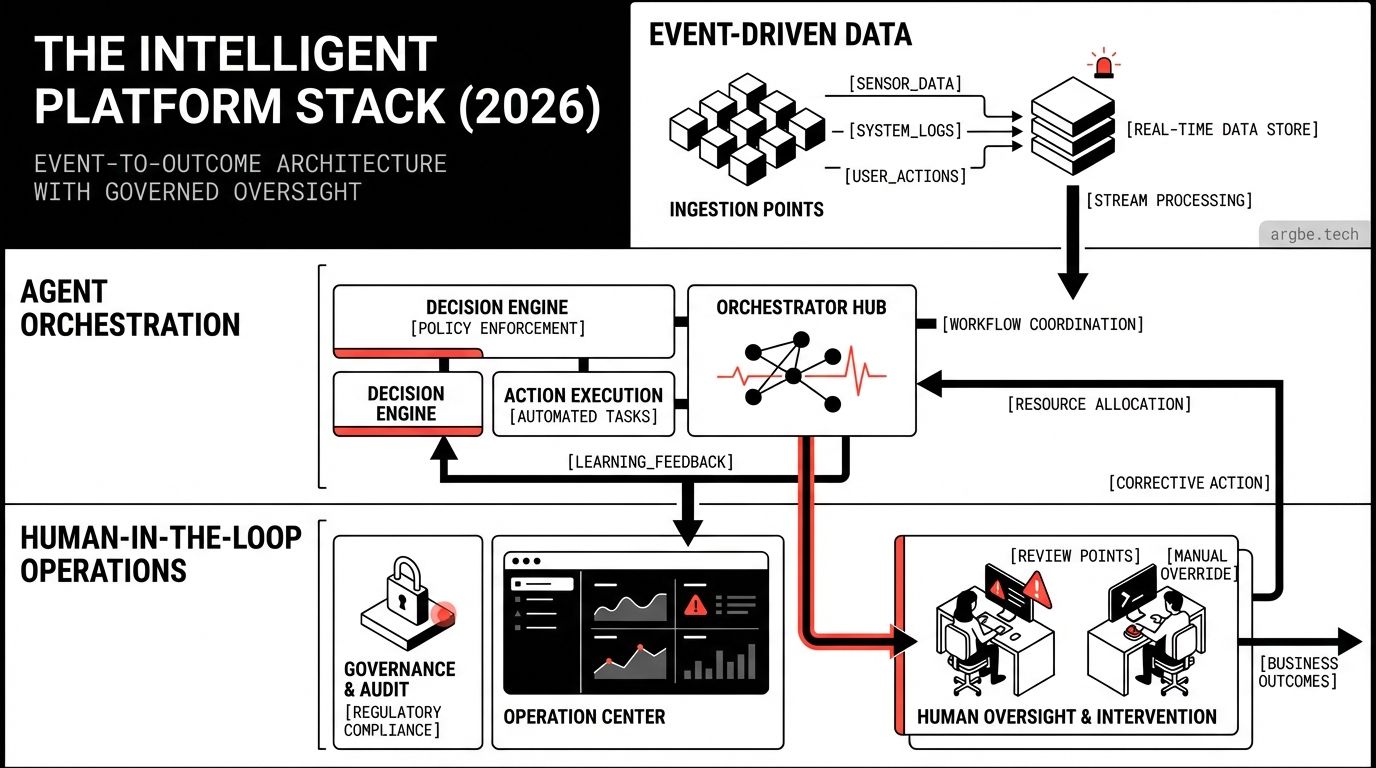
The Intelligent Platform Stack (2026): Event-Driven Data, Agent Orchestration, and Human-in-the-Loop Operations
An intelligent platform stack is a set of architectural layers that turn product events into reliable, governed outcomes—so your app can adapt in real time without turning ops into chaos. This guide breaks down the 2026 stack: event-driven data, agent orchestration, and human-in-the-loop controls.
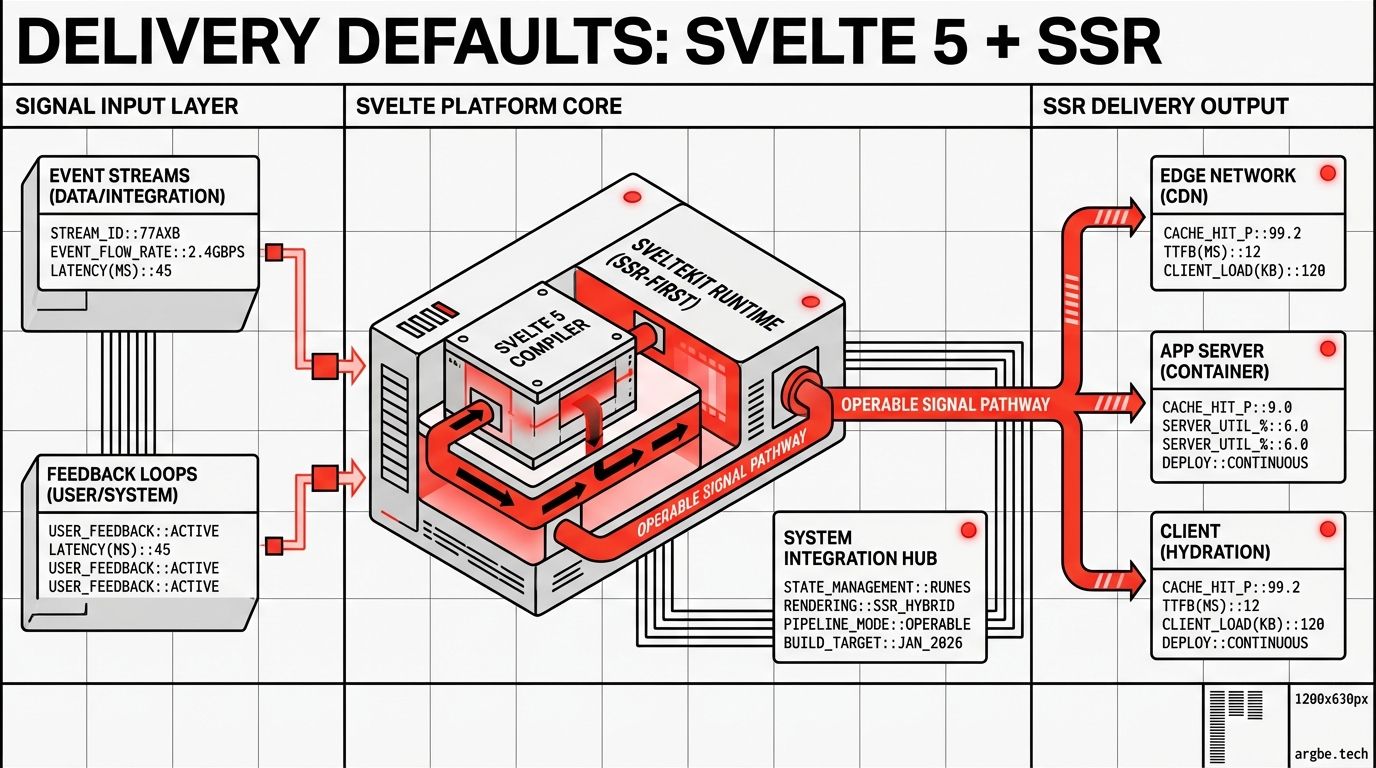
Building with Svelte in January 2026: The Signals That Change Delivery Defaults
January 2026 isn’t about Svelte “hype.” It’s about delivery defaults: how Svelte 5 and SvelteKit shape fast SSR apps you can actually operate—and where Svelte fits beside Astro 5 and Next.js in real pipelines.