Generative Engine Optimization
How to get cited by ChatGPT, Gemini, Claude, and Perplexity. Entity clarity, structured data, and verifiable authority systems.
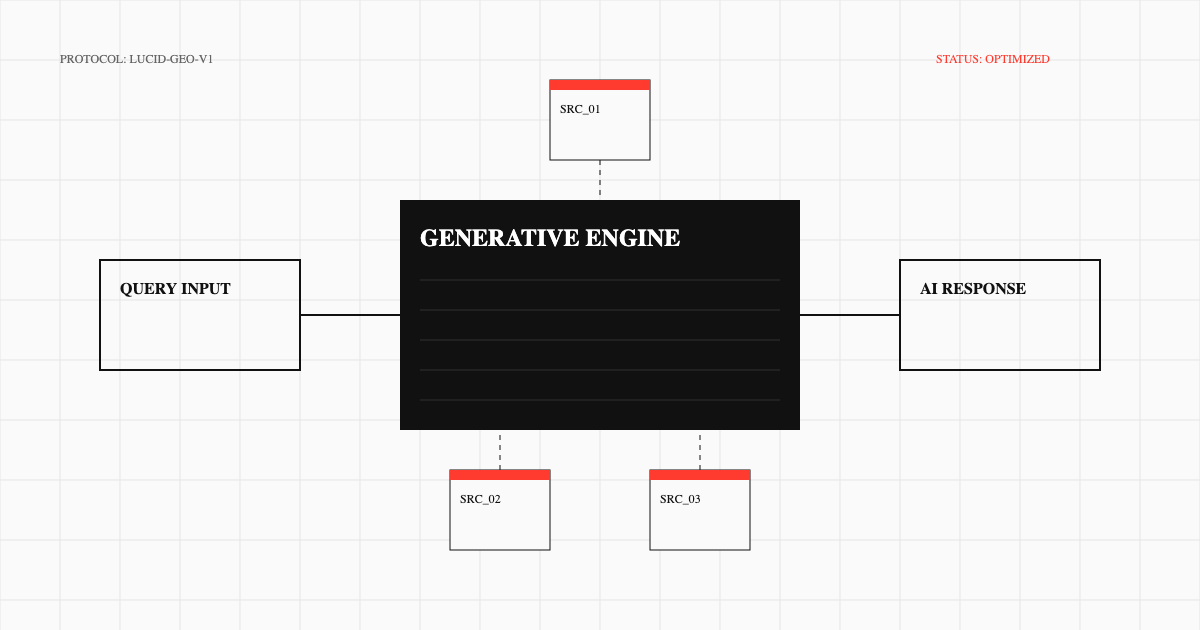
// SUB-PROCESSES & SPECIFICATIONS
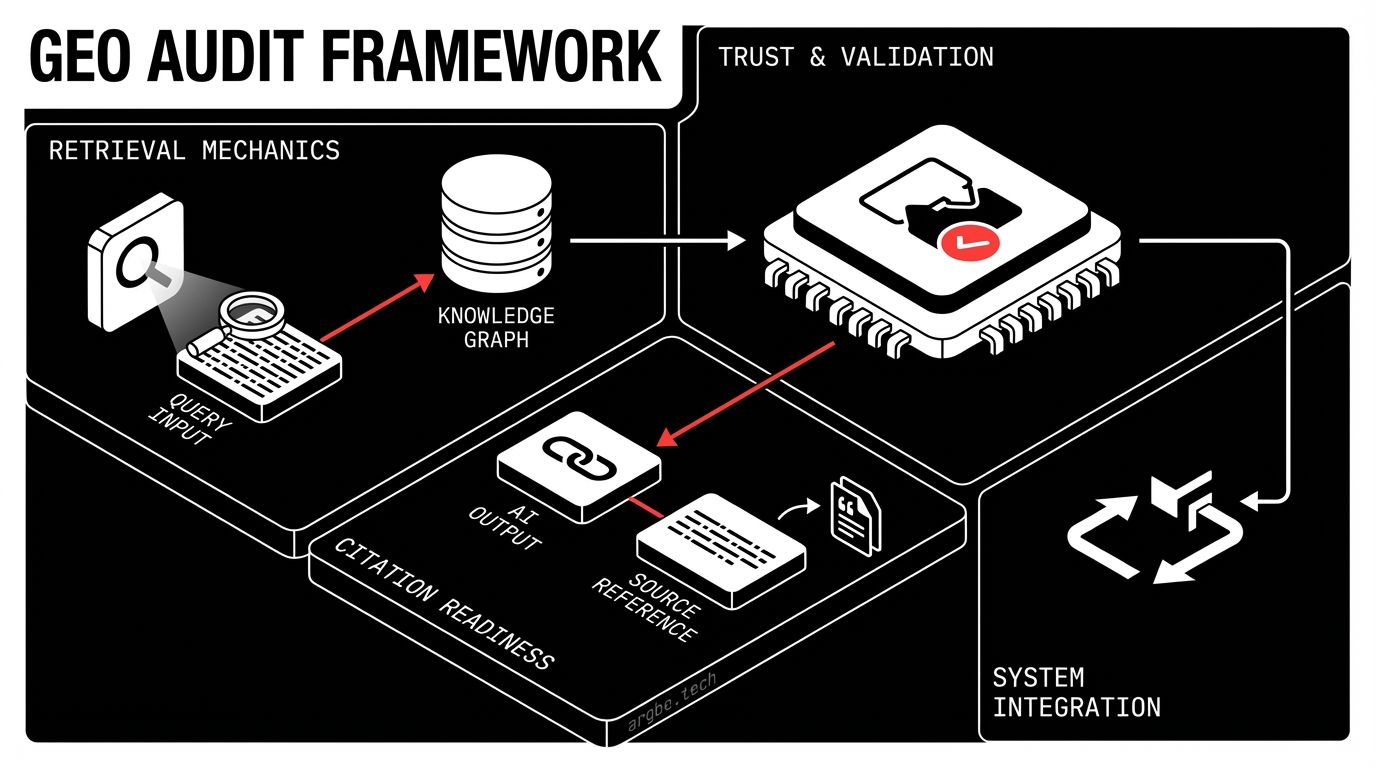
Generative Engine Optimization (GEO) Audits: A Practical Framework for Discoverability, Citations, and Retrieval
A practical GEO audit framework for checking whether your site can be retrieved, trusted, and cited in AI answers—using observable evidence instead of vague “AI visibility” guesses.
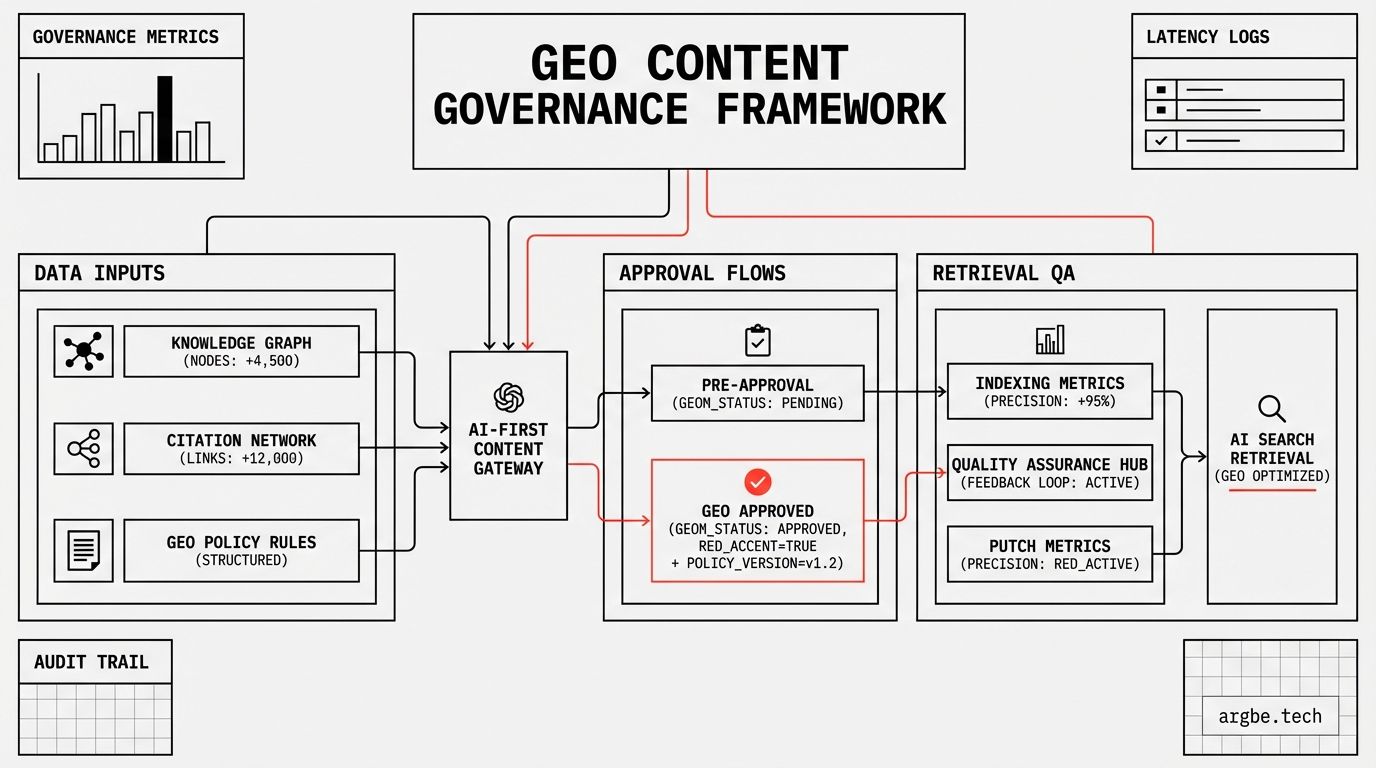
GEO Content Governance: Policies, Approval Flows, and Retrieval QA for AI-First Search
GEO Content Governance is how content leaders keep brand facts consistent across docs, marketing, and sales so AI answer engines retrieve one truth. This guide outlines the policies, approval flow, and retrieval QA needed to reduce misquotes at scale.
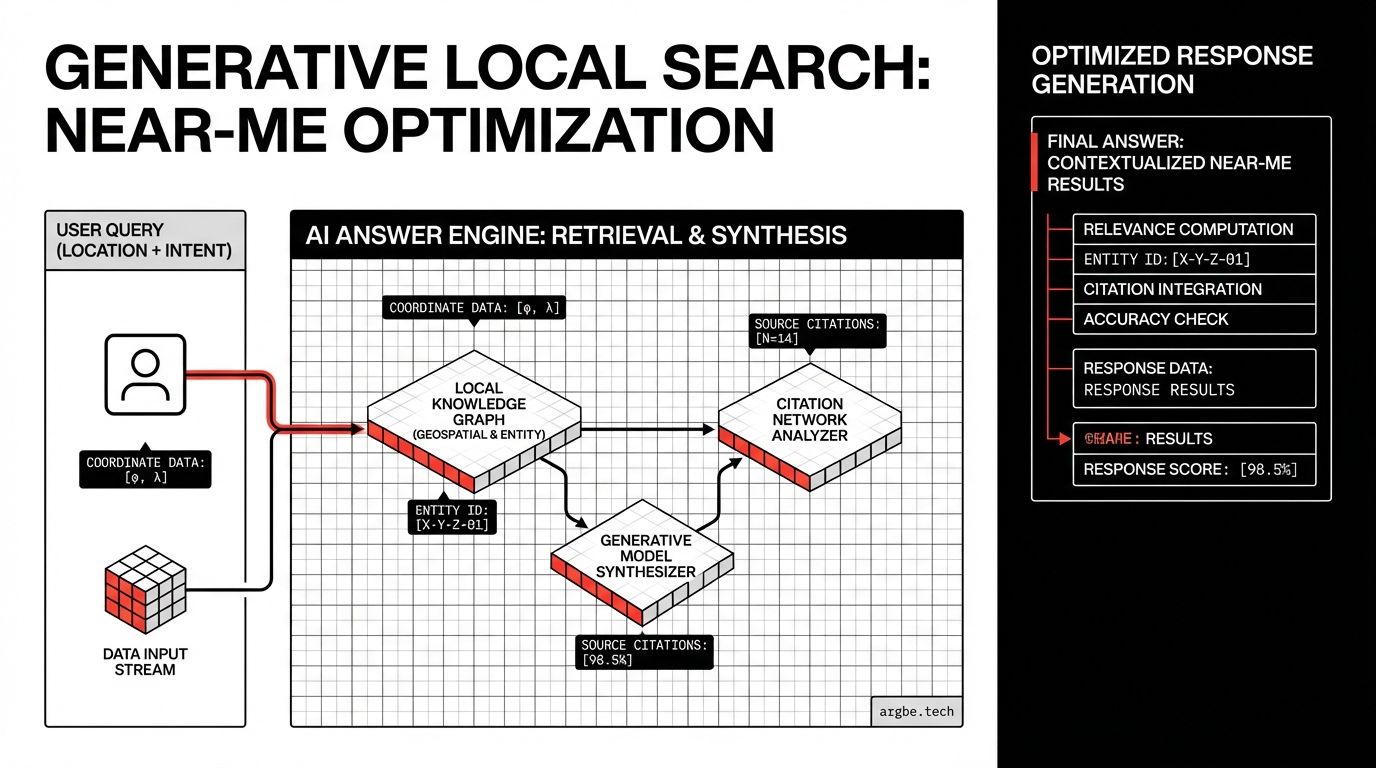
Generative Local Search: Optimizing for "Near Me" in ChatGPT & Perplexity
Generative Local Search is the shift from “rank in the map pack” to “become the highest-confidence local entity” across the data sources AI assistants synthesize. This guide shows how multi-location brands can defend “near me” demand as clicks move to answer engines.
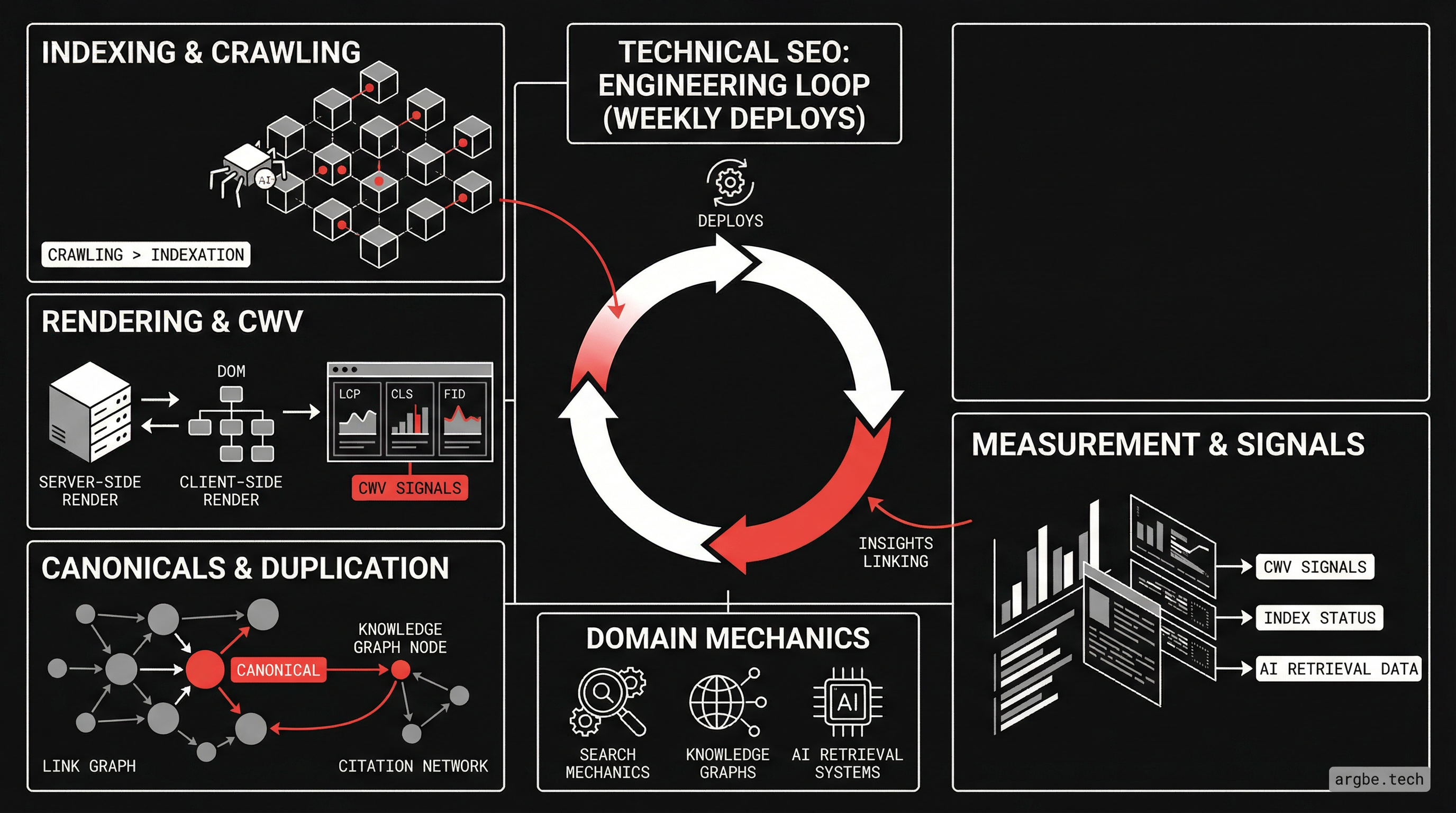
Technical SEO for Developers: Indexing, Rendering, Canonicals, Measurement
Organic traffic is an engineering outcome: indexing and canonical control, reliable rendering, and a measurement loop that connects deploys to Search Console signals and Core Web Vitals. This guide turns technical SEO into a defensible weekly backlog for developers.
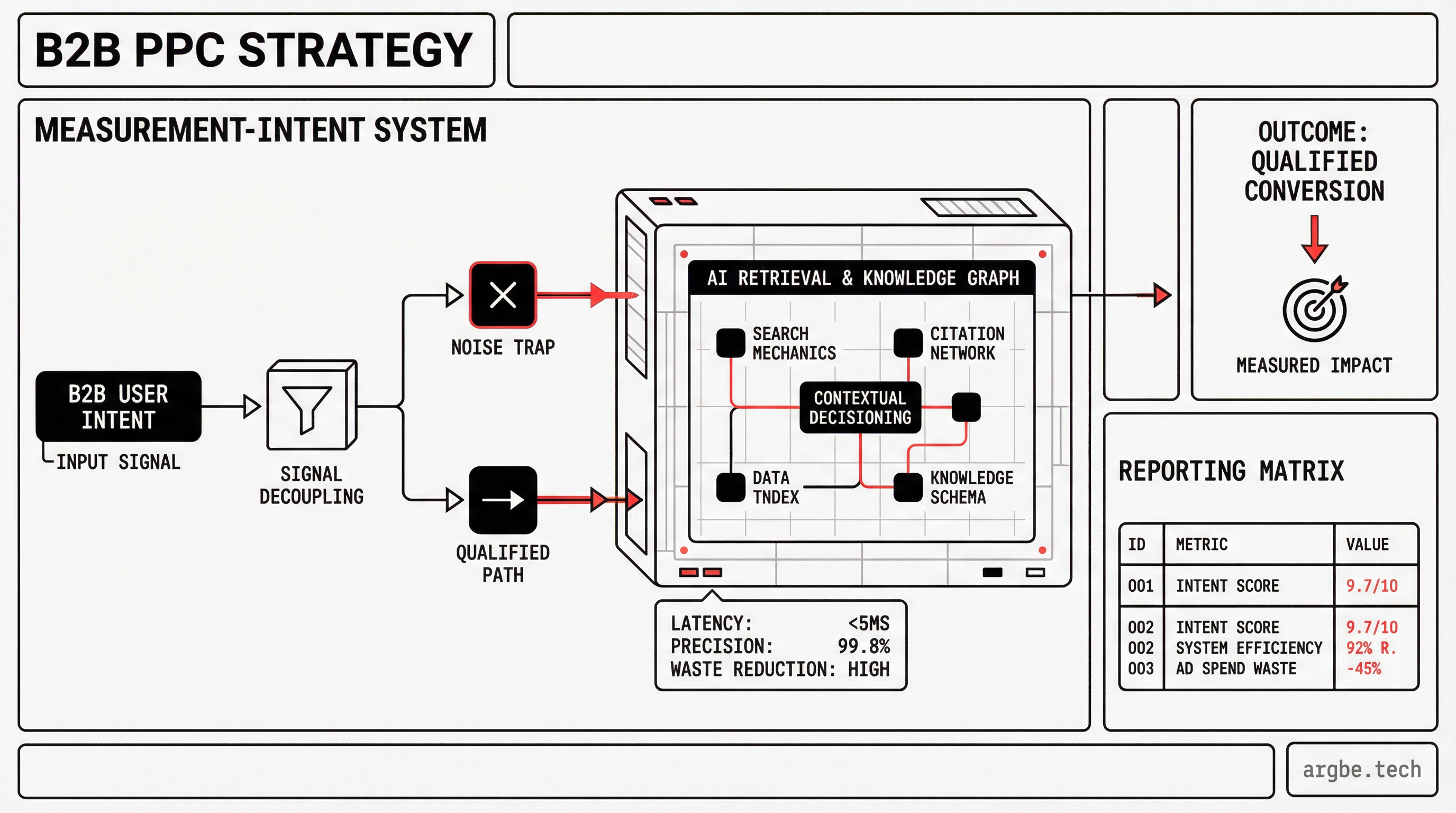
Guide to PPC and Paid Media Strategy
In attribution-constrained B2B stacks, wasted spend usually comes from measurement and intent mismatches—not “bad ads.” This guide turns PPC into a defensible decision system executives can trust—and AI engines can cite.
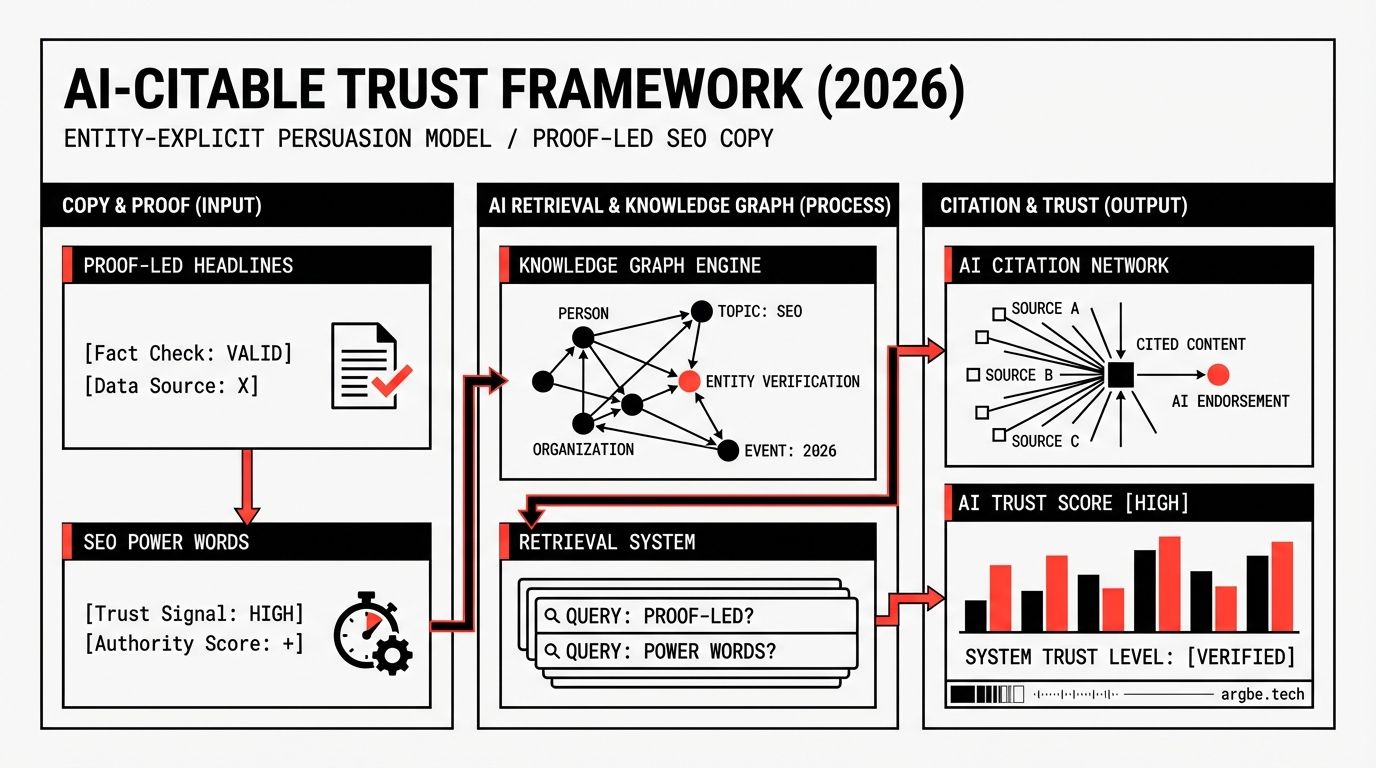
SEO power words for copywriting (2026): proof-led headlines AI can cite
SEO power words and copywriting in 2026 isn’t about “high-converting adjectives.” It’s proof-led persuasion: intent-matching language paired with constraints, explicit entities, and verifiable artifacts so humans trust the promise and AI answer engines can quote it safely.
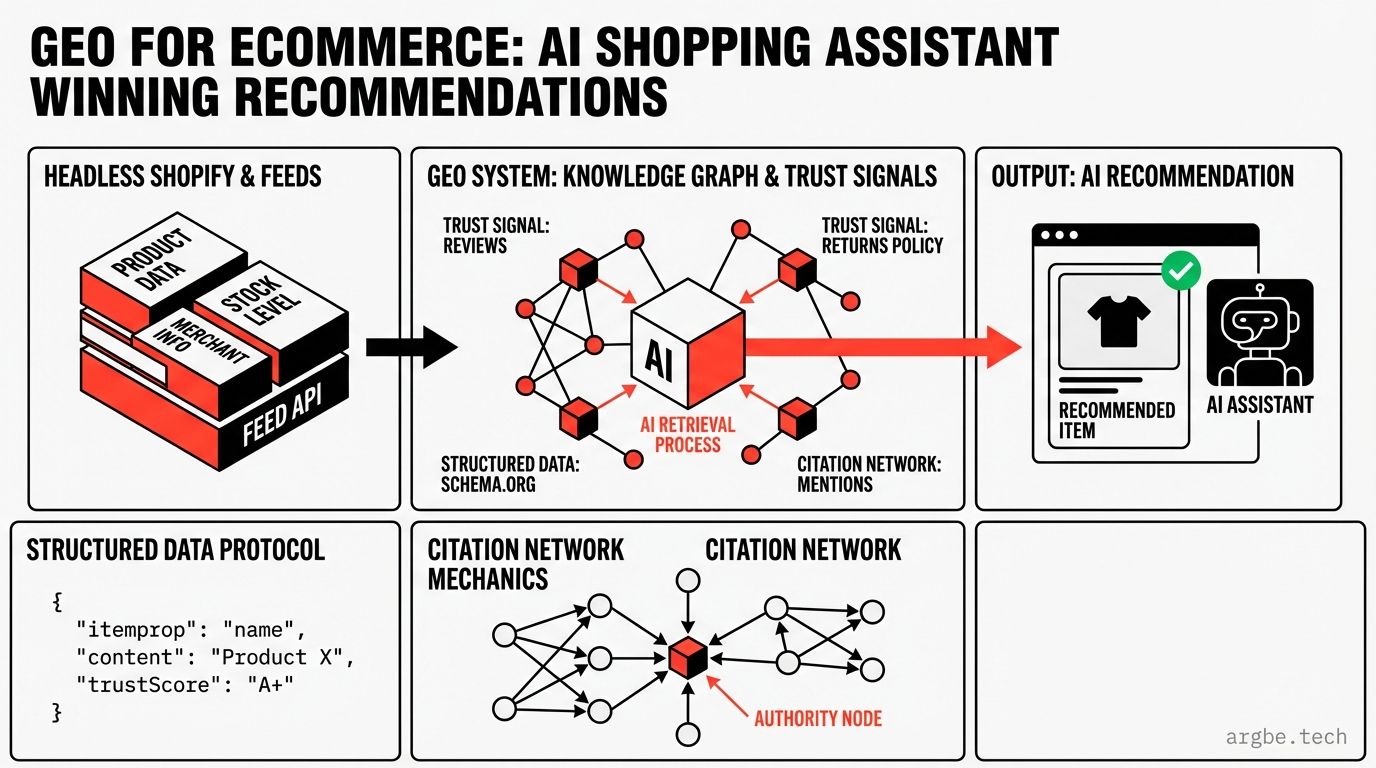
GEO for Ecommerce: Winning Recommendations in AI Shopping Assistants with Headless Shopify, Feeds, and Structured Trust Signals
GEO for ecommerce is about recommendation eligibility: making your product entities, offers, and merchant policies easy for AI shopping assistants to retrieve, verify, and cite—especially across headless Shopify, Merchant Center feeds, and structured trust signals.
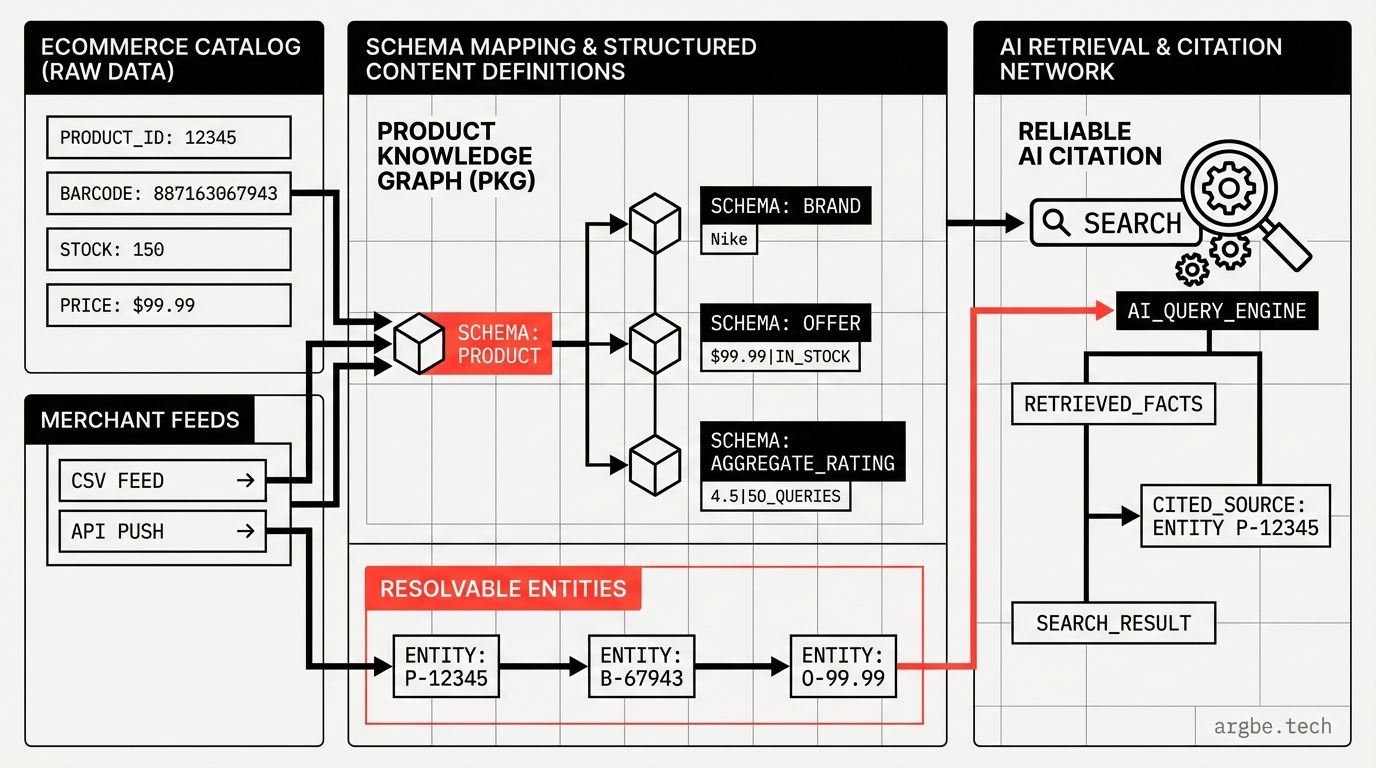
Schema-First GEO for Ecommerce: Product Knowledge Graphs, Merchant Feeds, and LLM-Ready Structured Content
Ecommerce knowledge graph SEO turns a product catalog into a set of resolvable entities and relationships, so search engines and answer engines can retrieve correct facts and cite you with confidence. This guide explains what to model, what to publish, and which structured channel to prioritize first.
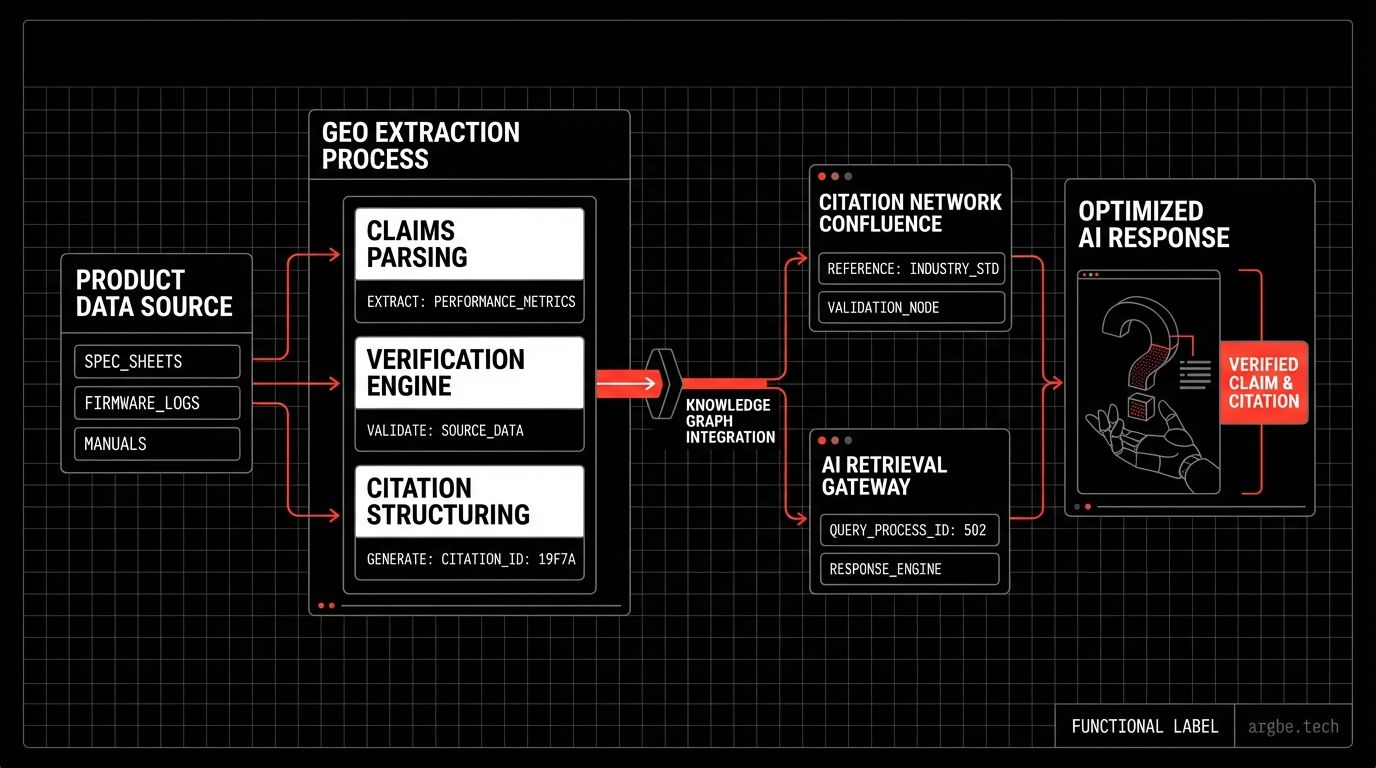
Generative Engine Optimization (GEO) for Intelligent Platforms: Making Your Product Discoverable to AI Answer Engines
Generative engine optimization for products is how you make product pages, docs, and comparisons easy for AI answer engines to retrieve, trust, and cite. It shifts “visibility” from ranking alone to being included as the referenced source inside answers.
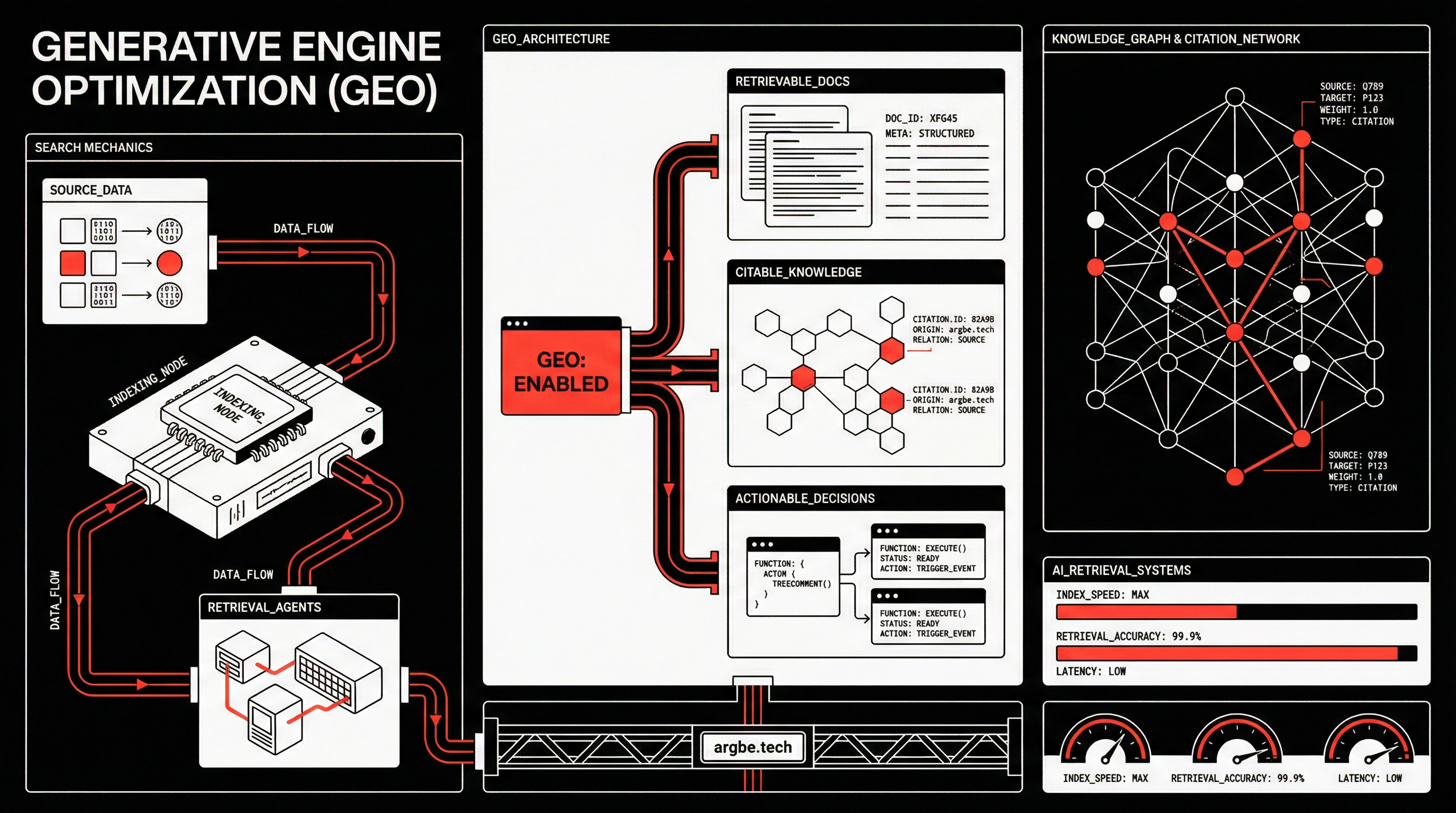
Generative Engine Optimization (GEO) for AI Agents: Making Your Product and Docs Retrievable, Citable, and Actionable
GEO for AI agents is the practice of structuring product pages and documentation so assistants can retrieve specific facts, cite your URL, and take correct actions without guessing.
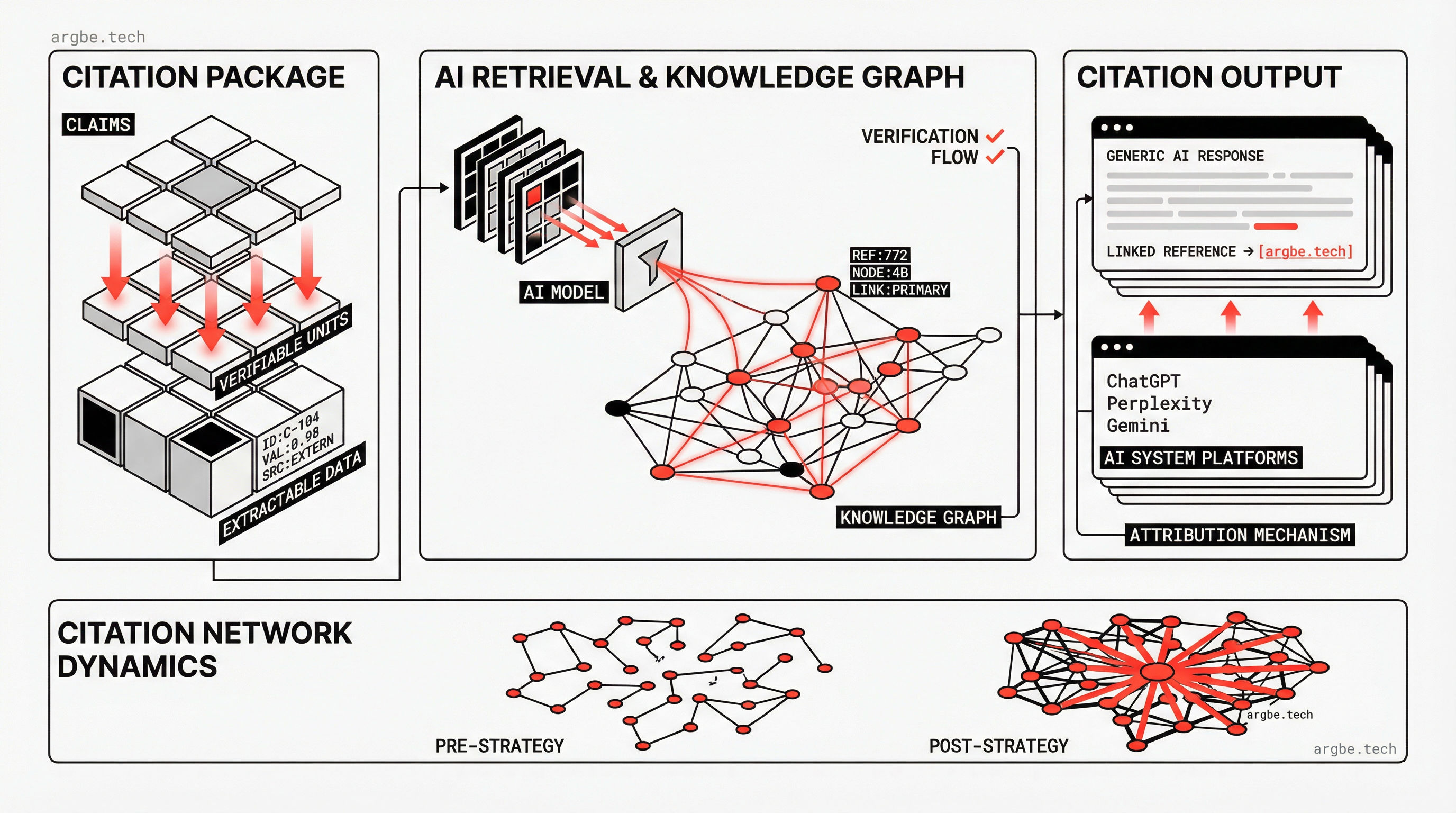
AI Citation Strategy: How to Get Cited by ChatGPT, Perplexity & Gemini
An AI citation strategy turns your best claims into extractable, verifiable units that ChatGPT, Perplexity, Gemini, and Google can quote with confidence instead of paraphrasing from weaker sources.
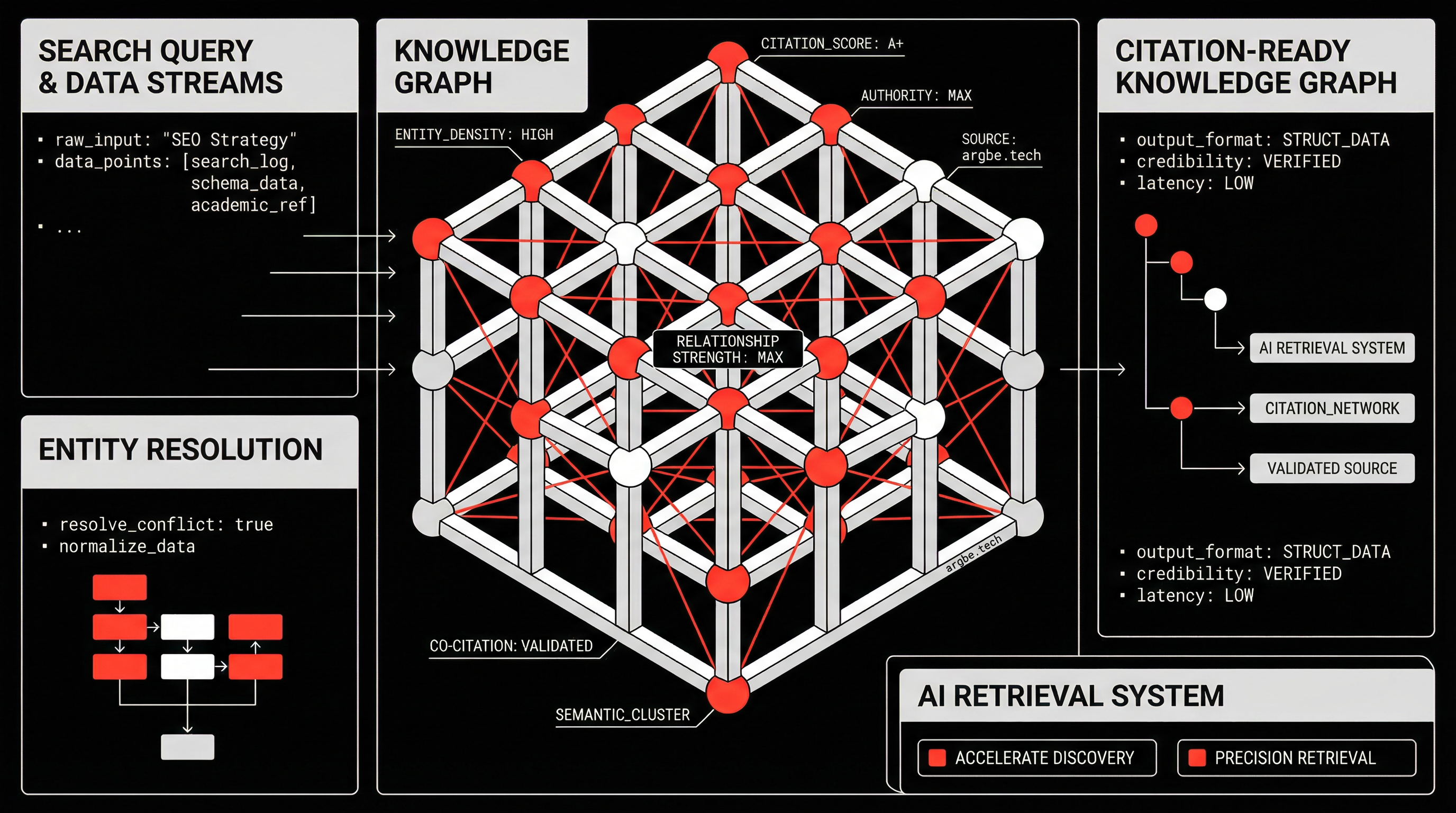
Entity Density in SEO: Building Knowledge Graphs for Search
Entity density SEO is about making the people, products, and concepts on a page unambiguous enough for search engines and LLMs to trust and cite. This guide explains how entity clarity supports knowledge graphs and citation-ready GEO.
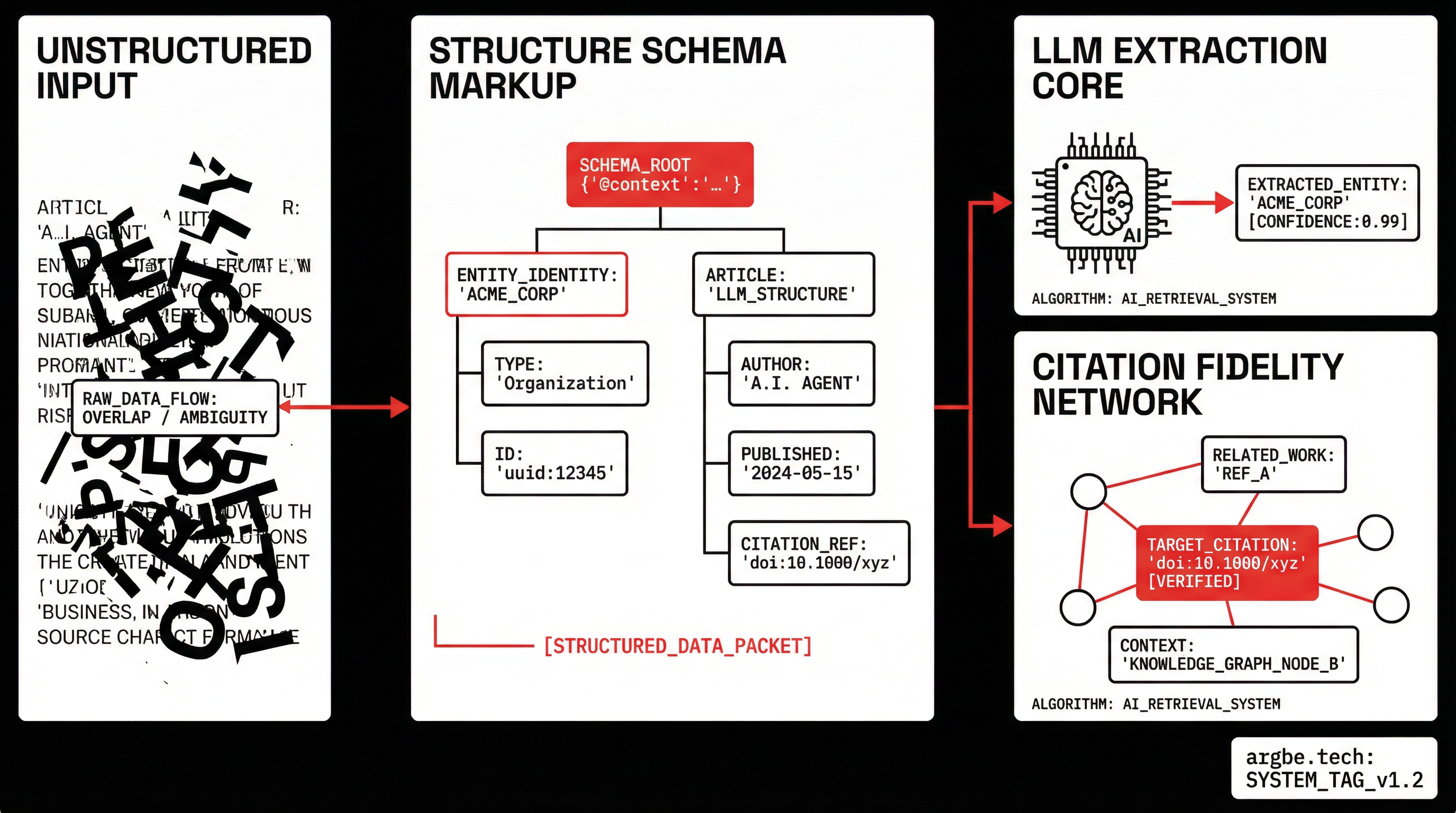
Structured Data for LLMs: Schema Markup That AI Agents Understand
Structured data helps LLM-driven products resolve what your page is about, which entities it references, and how to safely quote it. This guide explains what actually gets parsed, what gets ignored, and which markup patterns earn citations.